
The Brobdingnagian King's Character and Wisdom
Gulliver's TravelsThe development of the king's character as a wise, rational, and morally upright ruler, contrasting with European monarchs.
increasing Bearing strength in each event
 decreasing
Bearing strength in each eventdecreasingFirst Impressions: Skepticism and Gravity
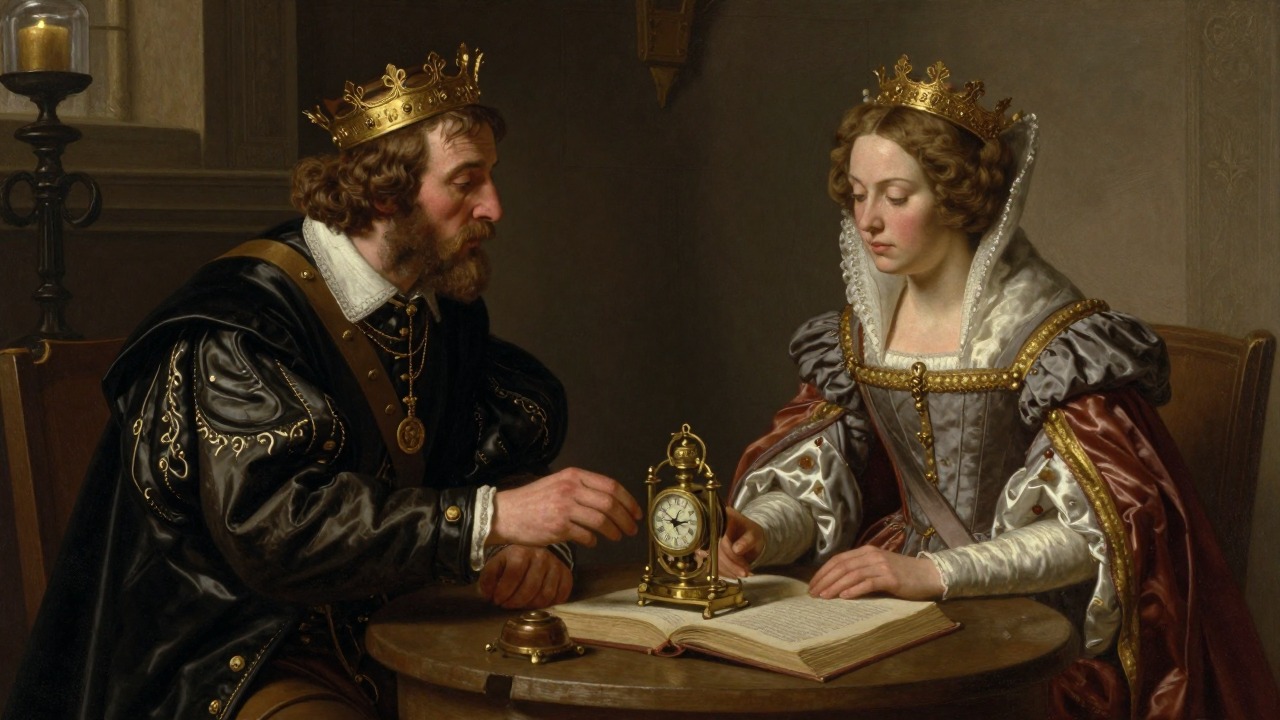
The King's Initial Reaction
The Cold Reception
When the queen first presents Gulliver, the king asks coldly how long she has been fond of a Splacnuck. He takes Gulliver for a piece of clockwork. His gravity and austerity are evident.
The Investigation
He sends for the farmer and examines him privately. He also questions Glumdalclitch. Only after careful inquiry does he begin to believe. His caution shows his rational nature.
The Decision to Protect
He orders that a particular care be taken of Gulliver and that Glumdalclitch continue in her office. He is not cruel but deliberative. His first action is to ensure Gulliver's safety.
The King's Intellectual Curiosity
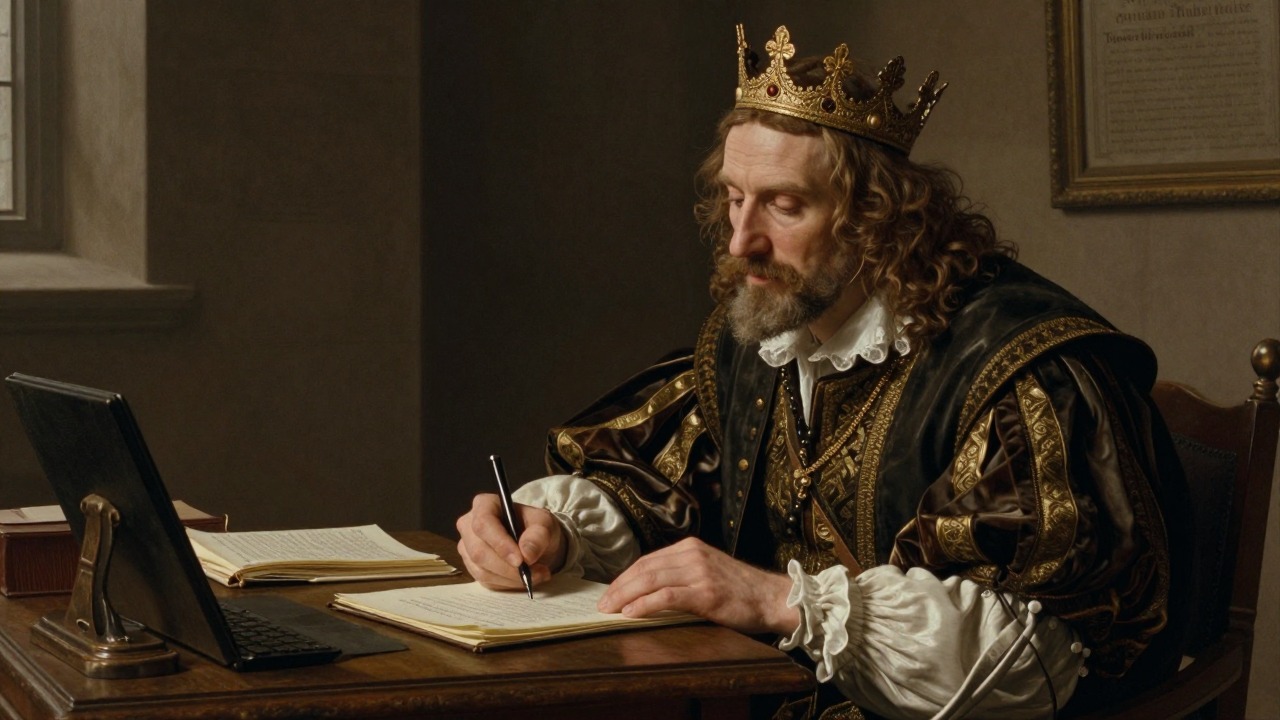
The Inquisitive Monarch
The Desire to Learn
The king is eager to learn about other countries. He asks Gulliver many questions about the manners, religion, laws, government, and learning of Europe. He listens with great attention and takes notes.
The Sharp Questions
He is not satisfied with superficial answers. He probes into the details of English politics, law, and society. His questions reveal the flaws in Gulliver's descriptions. He is intellectually acute.
The Delight in Conversation
He enjoys conversing with Gulliver and often orders him to be brought into his closet. He treats Gulliver as a source of information, but also as a friend. His intellectual curiosity is a defining trait.
The King's Moral Judgment
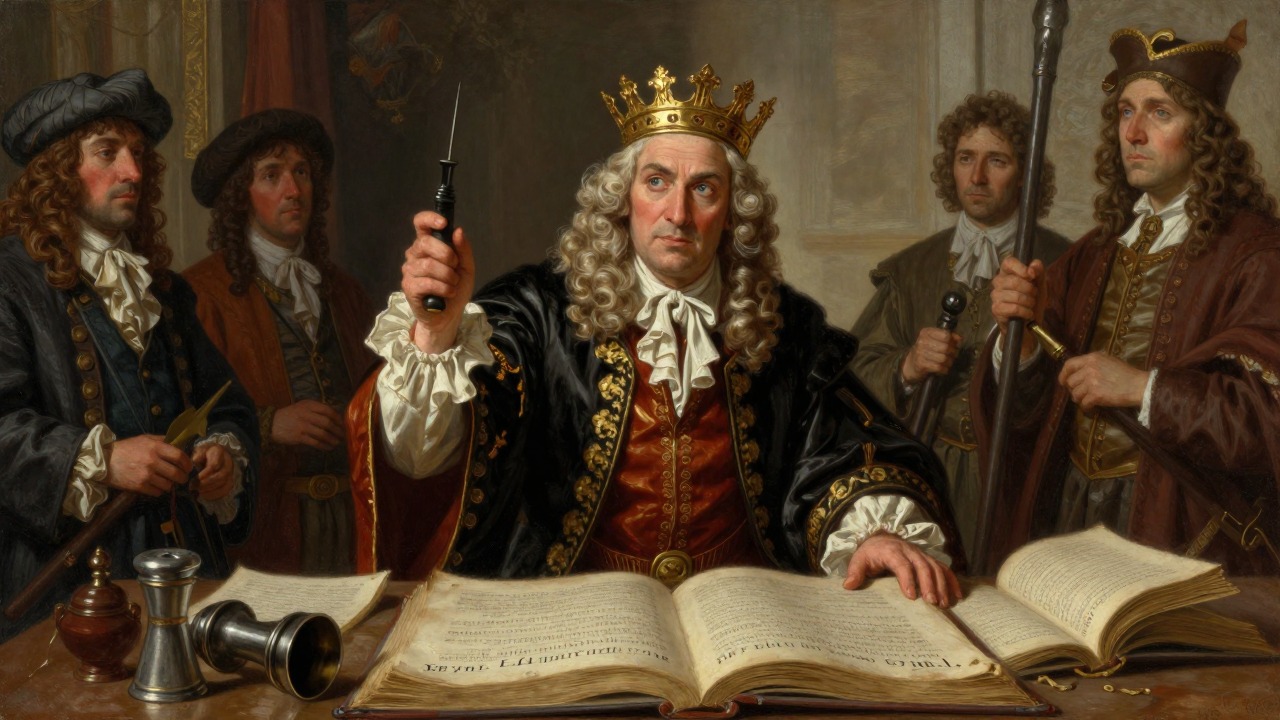
The Verdict on Humanity
The Summary of Evils
After hearing all of Gulliver's accounts, the king recapitulates the evils: conspiracies, rebellions, murders, massacres, and all the vices. He famously declares the English the most pernicious race of little odious vermin.
The Rejection of Gunpowder
He refuses the offer of gunpowder, calling it inhuman. He would rather lose half his kingdom than be privy to such a secret. His moral revulsion is absolute.
The Wisdom of Simplicity
He believes government should be based on common sense, justice, and lenity. He despises the mysteries of state. His philosophy is practical and humanitarian. He is the ideal ruler in Swift's eyes.
The King's Relationship with Gulliver
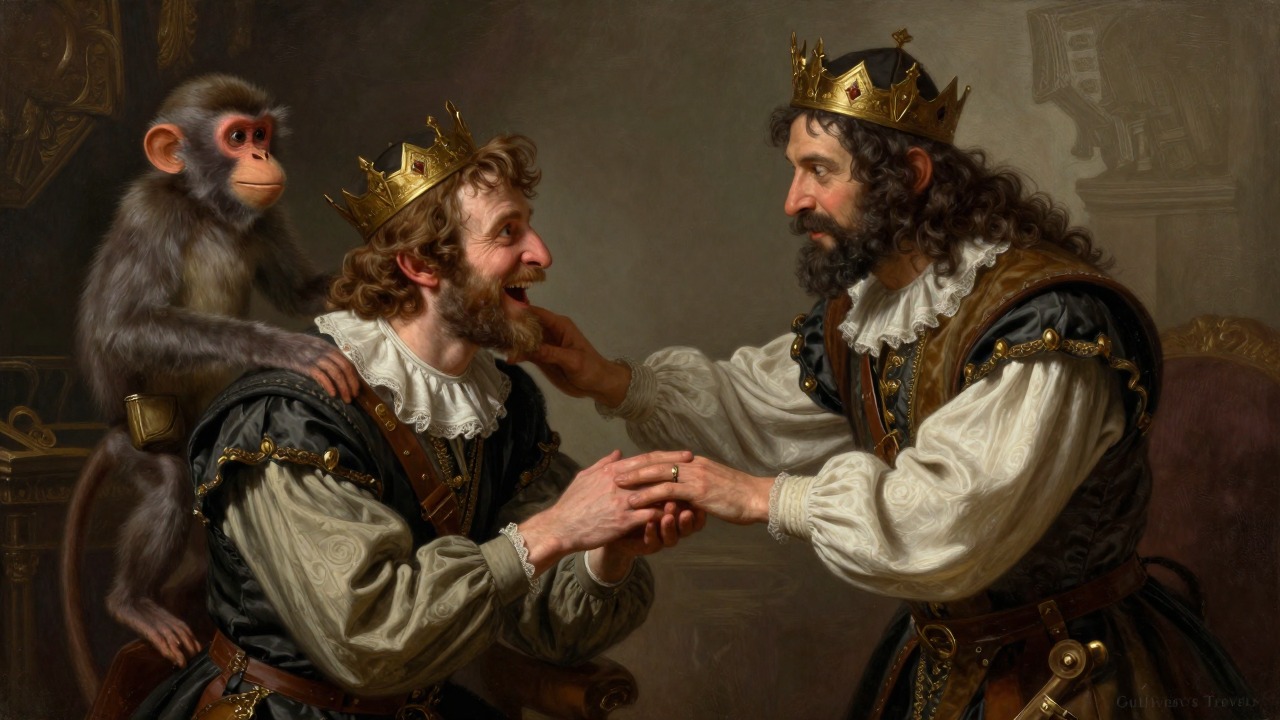
The Unequal Friendship
The Affectionate Gestures
The king often takes Gulliver into his hand and strokes him gently. He laughs at his stories but also respects him. He gives him the freedom to speak his mind.
The Teasing
After the monkey incident, the king rallies Gulliver and asks him what he would have done. Gulliver's boastful answer is met with laughter. The king's teasing is good-natured but also humiliating.
The Final Assessment
Despite his affection, the king cannot take Gulliver's country seriously. He sees Europeans as inferior. The relationship is one of intellectual equality but social inequality. The king is a friend, but also a critic.
October 1703
1704, during the audiences
1705, after the audiences
1703-1706, throughout the stay
